
Predictable Daily Routines for Children with Autism: Building Calm and Safety
Updated on June 22, 2026For many children, the hardest parts of the day aren’t the big events—they’re the transitions in between. Waking up in the morning, leaving for school, switching activities, coping with unexpected changes, or getting ready for bed can all trigger anxiety–which can lead to unsafe behaviors. For children who struggle with sensory overwhelm, communication challenges, or changes in plans, even everyday schedules can feel unpredictable and overwhelming.
That’s why routines matter. Well-designed routines for anxious children create a sense of predictability that helps them understand what comes next, reducing uncertainty and making daily life feel more manageable. In fact, predictable daily routines for children with autism can do more than lower anxiety—they build confidence, encourage independence, and support safer decision-making throughout the day. We’ll walk you through practical ways to create a child anxiety routine that supports emotional regulation and safety, including strategies for mornings, transitions, calming breaks, bedtime, and maintaining consistency across caregivers.
Why Routines Reduce Anxiety
According to the UK’s National Autistic Society, “a preference for order, predictability or routine” is actually one of the behaviors used by professionals to diagnose autism. That’s why it’s so difficult for autistic children when their routine gets thrown off. By developing a clear daily schedule, your child will know exactly what to expect, thereby reducing their anxiety and other emotional triggers.
The key to creating successful daily autism routines is to follow these rules of thumb:
- Predictable steps for everyday activities and transitions between them
- Repeated and consistent explanations in easy-to-understand language
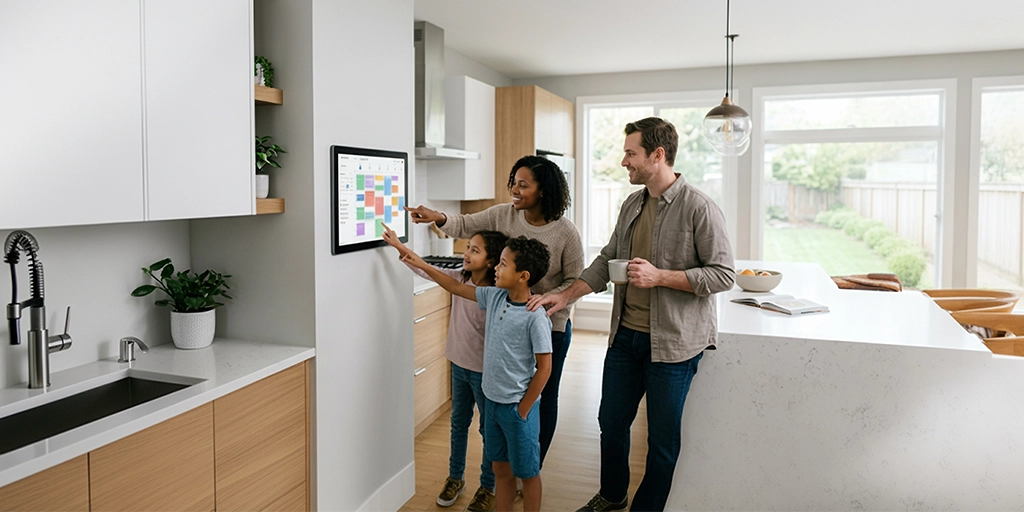
- Visual reminders displayed through whiteboards, signs around your house, and everyday assistive technology for time management
All that said – you don’t need to avoid schedule disruptions or new experiences all together. There will be unavoidable situations where your child must leave their comfort zone, such as visits to the doctor, vacations, family events, and sick days. It’s good to teach your child the value of flexibility, as well. Getting them accustomed to this reality will smooth the way during these temporary changes.
Identify Stressful Parts of the Day
As with many effective autism safety routines, planning starts with identifying potential stressors, and when they’re likely to rear their ugly heads.
Break Down Your Child’s Daily Schedule
First, observe what happens at different times throughout the day: in the mornings, while going to and from school, at home after school, during mealtimes, and before bath and bedtime. If a normal week includes outings, write them down as well.
Highlight Safety Risks
Next, look at which activities have triggered emotional issues for your child. Analyze the reasons why these episodes occurred, for example, due to rushing, sensory overload, hunger, fatigue, unclear instructions, or unexpected changes. Think about high-risk events in general, even if you never had a related bad reaction during one of them. These may include taking public transit while alone, being unsupervised at home or while out of the house, and previous occurrences of nighttime wandering.
Now that you’ve identified times of potential trouble, you can move on to making a plan of recommended action in each scenario.

Build Predictable Morning Transition Strategies for Kids
A common challenge for many child transition routines is the morning. People with autism often have trouble sleeping (see below). So, when they wake up after a poor night’s sleep, it translates to a poor mood–which in turn leads to difficulties sticking to the morning schedule. Or maybe they’re just having a hard time transitioning to the day’s activities.
The secret to efficient morning routines for an autistic child is to prepare as much as possible the night before. Before you head for bed, get clothing, school bags, and medications lined up and ready. Don’t forget to assemble sensory comfort items and communication tools such as ID bracelets and cards. Transition objects can be helpful here, as something that you give to your child to prepare them mentally for their next activity. Remember: it’s all about consistency.
Create a Bedtime Routine for an Anxious Child
Studies have shown that sleep disorders for people with autism might affect up to 80% of the population. Difficulties include taking longer to get to sleep, staying asleep for a shorter time, and overall lower quality of sleep. One of the most frightening behaviors related to this issue is nighttime wandering, but poor sleep can also take a toll on safe behavior during the next day.
In light of these facts, a critical routine for child safety is establishing a solid bedtime schedule. This includes:
- Consistent times for winding down (particularly by limiting screen time), a familiar bathroom routine (such as a nice relaxing bath), and getting dressed for bed
- Ensuring that comfort items and nightlights are in place
- Checking that door and window locks and other strategies to prevent wandering are set for the night
Use Visual Supports for Autism Routines and Safety Reminders
Building predictable routines for children can get a helping hand through visual supports for anxiety. Leveraging these tools allows kids to understand expectations without constant verbal reminders. A visual schedule for kids is also present when you can’t be, and provides a consistent message that is easier to remember over time. Variations include:
- Reminders of how to perform routines through checklists, picture cards, and color-coded pages
- “Warnings” about autism routine changes via low tech solutions, such as digital timers and countdowns
- Safety reminders including stop signs near doors, bathrooms, kitchens, and medication storage
- Emergency routines explained through a first-then board
Add Calming Breaks Before Anxiety Escalates
A sensory-friendly routine for people with autism should account for what happens if things go wrong. One of the best methods for deflating an escalating situation is a calming routine for kids based on a designated “quiet area” in your home. Incorporate sensory tools, such as headphones (with calming music), favorite books, and interesting visual features like lava lamps or light projectors. Activities like movement breaks and breathing exercises appeal to some kids as well.
The idea is to build sensory breaks for children into their routine in a proactive way, before the distress becomes overwhelming. Having these built-in calming breaks can significantly reduce unsafe behavior caused by stress or overload, and help your autistic child “reset” before the next activity.

Coordinate Routines with Caregivers
Routines work best when everyone is on board. You can help all of the important people in your child’s life with a caregiver routine plan, which sets out the daily activities and times. Perhaps even more importantly, a common plan will fit with your child’s expectations and the style of instructions that they are used to.
Once you have created a daily routine, share a simplified version of it with relatives, babysitters, teachers, and therapists. It should cover schedule steps, calming strategies, safety reminders, your child’s favored communication tools, emergency contacts, and any other helpful tips.
How Routines Improve Safety
A daily schedule does more than ease transitions and set expectations. For some autistic kids, disruptions to daily life result in shutdowns, tantrums, and even wandering. On the other hand, with a routine, your family can develop safety habits for children such as staying near caregivers, asking before going outside, following bathroom or kitchen rules through a child safety checklist, and preparing for bedtime. Getting a child accustomed to predictable routines can help reduce impulsive or unsafe behaviors.
Many caregivers take this one step further with special emergency tools in the form of GPS trackers. There are times when your child is not directly supervised, for instance, at night when you’re sleeping, when you have your back turned, or during transitions. Such situations account for a large part of the 50% of autistic kids who wander. It’s during life-threatening events such as these when AngelSense’s real-time GPS tracking, communication tools, and smartphone application are essential for a quick and safe crisis resolution.
Everyday Routines Can Support the Whole Family
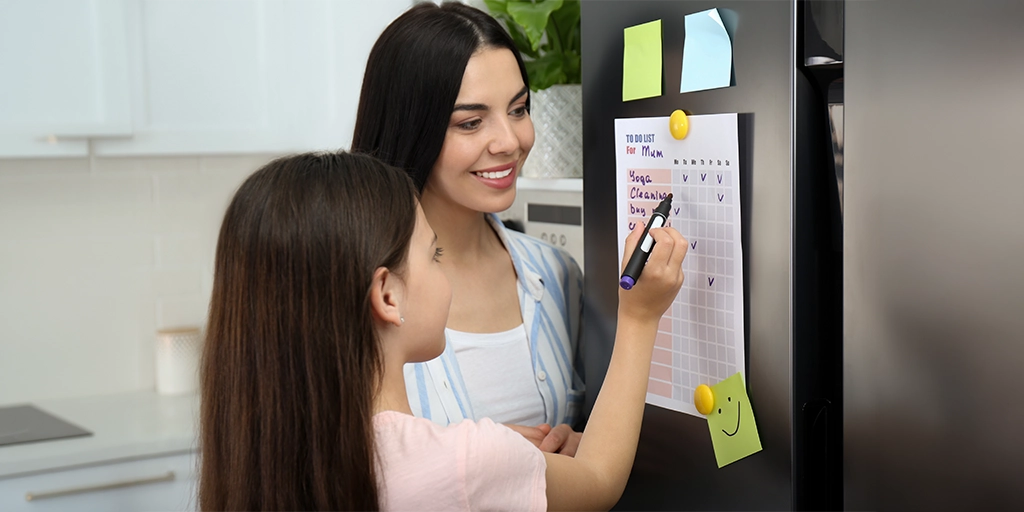
Predictable daily routines do more than keep the day running smoothly—they help children feel calmer, safer, and more confident as they move through the world. For children who struggle with anxiety, transitions, or uncertainty, knowing what to expect can reduce stress, build independence, and create opportunities for success throughout the day. This is why autism anxiety routines are such a powerful tool for both emotional well-being and safety.
The good news is that you don’t need to create the perfect routine overnight. Start small by focusing on the most challenging parts of the day, whether that’s mornings, transitions, or bedtime. As your child grows and their needs change, you can adjust and refine your approach. Over time, predictable daily routines can become a source of stability and confidence—not just for your child, but for your entire family.
Get peace of mind from AngelSense, the groundbreaking AI-based assistive technology designed to enhance safety and peace of mind for individuals with special needs and their families. Our solution ensures you stay connected with your loved ones, empowering a higher level of independence while maintaining safety. Learn more about how AngelSense can make a difference for your family.
